 Result BD Stay Ahead with Every Result
Singapore’s Best Heart Surgery Hospitals 2026 (updated List)
Finding the right hospital for heart surgery can be a life-changing decision. In Singapore, the high standards of healthcare, advanced technology, and skilled specialists make it a top destination for heart care in Asia. But even in a country known for medical excellence, not all hospitals offer the same experience, technology, or patient support.
If you or a loved one needs heart surgery, you want to know which hospitals truly stand out in 2026.
This guide covers the leading hospitals for heart surgery in Singapore, based on their expertise, facilities, patient outcomes, and international reputation. You will discover what makes each hospital unique, what kind of surgeries they perform, and what to expect as a patient.
Whether you are a local resident or coming from abroad, this article will help you choose the safest and most reliable place for your heart surgery.
What Makes A Hospital The Best For Heart Surgery?
Before we explore the top hospitals, it’s important to understand what “best” means in heart care. Not every hospital with a big reputation is ideal for heart surgery. The best hospitals share certain features:
- Experienced heart surgeons with consistent results
- Latest medical technology (such as hybrid operating rooms)
- High success rates and low complication rates
- 24/7 emergency care for cardiac patients
- Strong support teams (nurses, anesthetists, rehab specialists)
- Clear communication and patient-centered care
- International accreditations or awards
- Transparent pricing and insurance support
Singapore’s best heart surgery hospitals excel in most, if not all, of these areas.
1. National Heart Centre Singapore (nhcs)
The National Heart Centre Singapore is widely considered the top destination for heart surgery in the country. As the main public cardiac center, NHCS performs thousands of surgeries each year and leads research in Asia.
NHCS is best known for its comprehensive cardiac surgery program, including coronary artery bypass grafting (CABG), valve repair or replacement, aortic surgery, and minimally invasive procedures. The hospital is equipped with state-of-the-art hybrid operating rooms and a 24-bed cardiovascular ICU, ensuring the highest level of care for complex cases.
Its team includes over 40 cardiac specialists, many trained internationally. NHCS is also the regional leader in heart transplants and ventricular assist devices. Their post-surgery outcomes are among the best in Asia, with infection rates and mortality consistently below international averages.
NHCS’s patient support is also exceptional. Multilingual staff guide patients through every step, from pre-surgery counseling to cardiac rehabilitation. They also offer telemedicine for follow-ups—a major plus for overseas patients.
Non-obvious insight: NHCS often participates in international clinical trials, giving patients access to new treatments unavailable elsewhere in Singapore.
2. National University Heart Centre, Singapore (nuhcs)
The National University Heart Centre, Singapore is the cardiac branch of the National University Hospital (NUH). It is renowned for its focus on both adult and pediatric heart surgery, making it unique among Singaporean hospitals.
NUHCS specializes in high-risk surgeries, including congenital heart defect repairs and complex valve procedures. Their surgeons are known for handling cases referred from other hospitals, especially when the risk is high. The center’s hybrid cath-lab allows for advanced minimally invasive surgeries and catheter-based procedures.
What sets NUHCS apart is its integration with academic research. Many of their surgeons are also professors, involved in developing new surgical techniques. The hospital regularly publishes research on improved recovery methods and new devices.
Patient care is highly personalized. Each surgery is reviewed by a multidisciplinary team, and families are included in care planning. There are translators for major Asian languages, and the hospital offers psychological support for both patients and relatives.
Non-obvious insight: NUHCS offers a “patient navigator” service, ensuring every patient has a single point of contact throughout their treatment—a rare feature in Singapore.
3. Mount Elizabeth Hospital (orchard)
Mount Elizabeth Hospital in Orchard Road is Singapore’s most famous private hospital for heart surgery. With a reputation that attracts patients from across Southeast Asia, Mount Elizabeth offers luxury care with clinical excellence.
This hospital is known for elective surgeries like minimally invasive heart valve repair, complex bypass surgeries, and robotic-assisted procedures. Their surgeons are among the most experienced in the region, and many have trained at top hospitals in the US or Europe. The hospital’s “Heart Centre” is open 24/7 for emergencies.
Mount Elizabeth excels at providing comfort and privacy. Patients stay in hotel-style rooms, and international patients have access to interpreters, airport transfers, and medical concierge services.
A unique feature is the use of 3D heart mapping and advanced imaging for pre-surgical planning. This reduces operation time and improves outcomes, especially for repeat surgeries.
Non-obvious insight: Mount Elizabeth is the first hospital in Singapore to offer “same-day discharge” for certain low-risk heart procedures, reducing hospital stays and costs.
4. Gleneagles Hospital
Gleneagles Hospital is another top private hospital, known for its skilled heart surgeons and fast-track cardiac care. It is especially popular with expatriates and medical tourists seeking personalized service.
Gleneagles offers a full range of heart surgeries, from standard bypasses to minimally invasive aortic valve replacements and arrhythmia surgery. Their intensive care unit (ICU) is staffed round-the-clock by cardiac specialists.
What makes Gleneagles stand out is its focus on patient convenience. You can expect short waiting times for surgery, easy insurance handling, and coordinated follow-up care. The hospital uses advanced digital systems to monitor patients and share data securely with doctors.
Gleneagles is also known for its transparent billing and “no hidden costs” policy, which is not always the case at private hospitals.
Non-obvious insight: The hospital offers “virtual second opinions” from international heart experts, giving patients extra confidence before choosing surgery.
5. Tan Tock Seng Hospital (ttsh) – Cardiac Clinic
Tan Tock Seng Hospital (TTSH) is a respected public hospital with a dedicated Cardiac Clinic for surgery and intervention. It is a key center for heart attack emergencies and complex surgeries.
TTSH’s Cardiac Clinic performs all major heart surgeries, including bypass, valve, and aortic procedures. They are especially strong in treating acute cardiac emergencies, thanks to their close connection with Singapore’s national ambulance service.
The hospital’s heart surgeons are known for their experience with elderly and high-risk patients. TTSH invests heavily in post-surgery rehabilitation, offering both in-hospital and community-based cardiac rehab.
A major plus is the hospital’s affordable pricing, with government subsidies for citizens and permanent residents. International patients are also welcome and receive full support from the hospital’s patient services team.
Non-obvious insight: TTSH is one of the few hospitals in Singapore with a “rapid response” team, ready to perform emergency heart surgery within hours of admission.
6. Farrer Park Hospital
Farrer Park Hospital is a modern private hospital that has quickly built a reputation for advanced heart surgery and a patient-first approach. Opened in 2016, it features some of the newest technology in Singapore.
The hospital offers a wide range of surgeries, including robotic-assisted bypass, minimally invasive mitral valve repair, and advanced arrhythmia surgery. Farrer Park is known for its hybrid operating rooms and real-time digital monitoring, which improve safety and outcomes.
Patient care is highly personalized. The hospital’s “care coordinator” helps with everything from travel to dietary needs. International patients benefit from translation services and travel assistance.
One practical advantage is the hospital’s location above Farrer Park MRT, making it easy to reach from anywhere in the city.
Non-obvious insight: Farrer Park uses a “real-time dashboard” to track each patient’s progress, allowing doctors to spot problems early and adjust treatment fast.
7. Parkway East Hospital
Parkway East Hospital is a smaller private hospital in eastern Singapore, but it has a strong reputation for heart care, especially among local families and expatriates.
The hospital offers both elective and emergency heart surgeries, focusing on coronary bypass, valve replacement, and pacemaker implantation. Its surgical team often works closely with doctors from Mount Elizabeth and Gleneagles, sharing expertise.
Parkway East is known for fast admission and discharge processes, which is ideal for patients who value efficiency. The hospital’s support services include medical interpreters, financial counseling, and home-based cardiac rehab.
Because it is less busy than larger hospitals, patients often report more personalized attention from nurses and staff.
Non-obvious insight: Parkway East was one of the first in Singapore to offer “remote cardiac monitoring” after surgery, reducing the need for extra hospital visits.
8. Raffles Heart Centre (raffles Hospital)
Located in the city center, Raffles Hospital is a top private hospital with a dedicated Raffles Heart Centre. It is known for high-quality heart surgery and a strong focus on preventive care.
Raffles Heart Centre performs a wide range of procedures, including open heart surgery, minimally invasive valve repair, and complex arrhythmia treatments. The hospital is famous for quick diagnosis and “one-stop” care, where all tests and consultations happen on the same day.
Their surgeons are board-certified and have international experience. Raffles also offers detailed pre-surgery education, helping patients and families feel confident about the process.
A big plus is their price transparency. Raffles publishes average costs for all major surgeries on their website, which helps with budgeting and insurance claims.
Non-obvious insight: Raffles Heart Centre is one of the first in Singapore to offer “genetic heart screening” as part of pre-surgery checks, spotting risks that regular scans might miss.
9. Thomson Medical Centre
Thomson Medical Centre is best known for women’s and children’s health, but its Heart Centre is growing in reputation for minimally invasive heart surgery and patient-friendly care.
The hospital specializes in less invasive surgeries, such as transcatheter aortic valve implantation (TAVI) and minimally invasive bypass. Its surgical team includes both local and visiting international experts.
Thomson stands out for its gentle approach to recovery. Most heart surgery patients recover in private rooms, with dedicated cardiac nurses and rapid access to physiotherapy. The hospital’s smaller size means patients get more individual attention.
Thomson also provides a “family support program,” offering counseling and education for relatives—a key benefit during stressful times.
Non-obvious insight: Thomson is a popular choice for second opinions, especially for women and younger patients who want a less aggressive surgical approach.
10. Changi General Hospital (cgh)
Changi General Hospital serves Singapore’s eastern region and is respected for its Cardiac Care Centre, which handles both surgery and emergency heart care.
CGH provides all standard heart surgeries, including bypass, valve, and congenital defect repair. Their “Heart Team” includes surgeons, cardiologists, and rehab specialists who meet weekly to review complex cases.
What makes CGH unique is its focus on community-based care. After surgery, many patients join a home-based rehab program, with nurses visiting to guide recovery. This reduces hospital stays and lowers the risk of complications.
CGH is also known for using “fast-track” protocols, which help patients get back on their feet quickly after surgery.
Non-obvious insight: CGH’s Cardiac Care Centre is one of the few in Singapore that publishes detailed patient outcome data, making it easier for families to compare hospitals.
11. Kk Women’s And Children’s Hospital (kkh) – Cardiac Surgery Unit
KK Women’s and Children’s Hospital (KKH) is the leading center for pediatric heart surgery in Singapore. If your child needs heart surgery, this is the first place most doctors recommend.
KKH’s Cardiac Surgery Unit specializes in congenital heart defect repairs, valve surgery, and complex cases in newborns and infants. Their surgeons have global experience, and the hospital is equipped with pediatric ICUs and specialized heart-lung machines.
Families benefit from KKH’s strong support programs, including counseling, financial aid, and child-life specialists who help children cope with surgery.
The hospital is also involved in research and regional training, sharing its expertise with other centers in Asia.
Non-obvious insight: KKH offers “pre-surgery simulation” for families, using 3D models to explain the procedure—a major help for anxious parents.
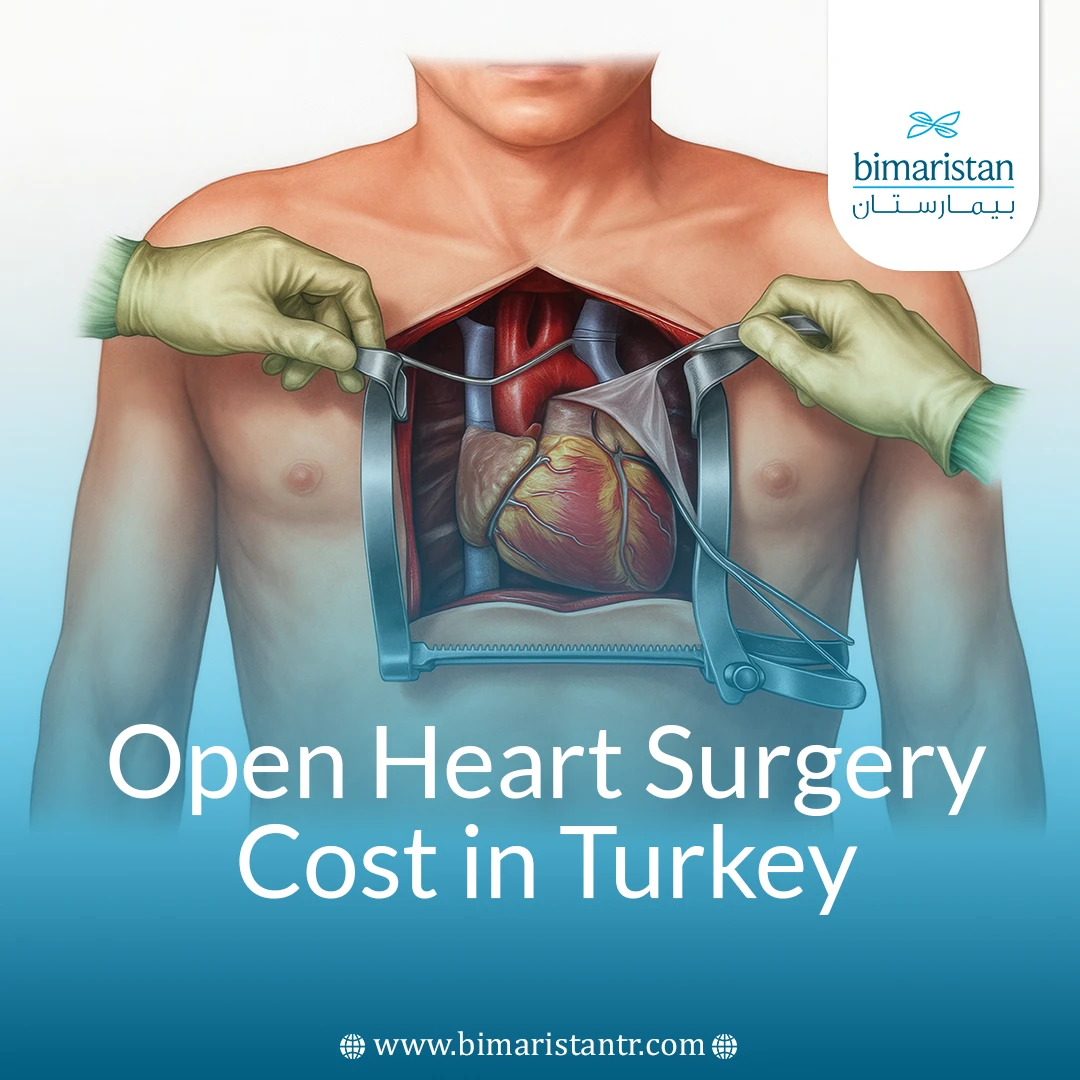
Credit: bi-maristan.com
12. Sengkang General Hospital (skh)
Sengkang General Hospital is a newer public hospital serving Singapore’s northeast, but it has quickly gained a reputation for safe, efficient heart surgery.
SKH’s cardiac team handles bypass, valve, and arrhythmia surgery, and is especially good at managing patients with multiple health problems. Their surgeons often use minimally invasive techniques to speed up recovery.
SKH is noted for its short waiting times and “one-stop” clinics, where tests, diagnosis, and surgery planning can be done in a single visit.
The hospital works closely with community clinics, so patients get follow-up care close to home.
Non-obvious insight: SKH offers “post-discharge telemonitoring,” letting doctors track recovery through a smartphone app and adjust treatment if needed.
13. Alexandra Hospital
Alexandra Hospital is a smaller public hospital, but it’s well known for personal attention and its team-based approach to heart care.
The hospital performs all major heart surgeries, with a focus on older adults and patients with complex health needs. Alexandra’s team works closely with geriatricians and rehab specialists, aiming for the smoothest possible recovery.
Patients often choose Alexandra for its quiet environment and strong emphasis on rehabilitation. The hospital offers both inpatient and home-based cardiac rehab.
Non-obvious insight: Alexandra is one of the few hospitals in Singapore with a “frailty assessment” program, adjusting surgery plans for older, vulnerable patients.

Credit: rankings.newsweek.com
14. Novena Heart Centre
Located within the Novena medical cluster, Novena Heart Centre brings together top private cardiac surgeons and interventional cardiologists.
The center is famous for its expertise in complex arrhythmia surgery and catheter-based procedures, including ablation and device implantation. Many of Novena’s surgeons also operate at larger hospitals, but the center offers a more personalized, boutique experience.
Novena Heart Centre uses the latest imaging and 3D mapping technology for surgical planning. Patients benefit from fast appointments, transparent pricing, and a quiet, comfortable environment.
Non-obvious insight: Novena Heart Centre is one of the first in Singapore to offer “outpatient” ablation for certain arrhythmias, so some patients can go home the same day.
15. Concord International Hospital
Concord International Hospital is a boutique private hospital that focuses on surgery, including advanced heart procedures.
Concord is best known for minimally invasive heart surgery and hybrid procedures for complex cases. Their international team of surgeons brings experience from top centers in Japan, Europe, and the US.
The hospital offers full VIP services, including private suites, interpreters, and personal coordinators for overseas patients. Concord is popular with medical tourists who want privacy and comfort.
Non-obvious insight: Concord offers “second opinion” video consults with international heart experts, so patients can review their case with specialists before committing to surgery.
Comparing Singapore’s Top Heart Surgery Hospitals
To help you compare the leading heart surgery hospitals, here’s a look at some important data:
| Hospital | Type | Known For | 24/7 Emergency | International Patient Support |
|---|---|---|---|---|
| NHCS | Public | All major surgeries, transplants | Yes | Yes |
| NUHCS | Public | Complex/high-risk, pediatric | Yes | Yes |
| Mount Elizabeth | Private | Elective, robotic, luxury care | Yes | Yes |
| Gleneagles | Private | Fast-track, personalized | Yes | Yes |
| TTSH | Public | Emergency, elderly care | Yes | Yes |
| Farrer Park | Private | Hybrid/robotic, real-time monitoring | Yes | Yes |
What To Look For When Choosing A Heart Surgery Hospital
Selecting the right hospital is about more than just reputation. Consider these key factors:
- Surgeon’s experience: Ask about the specific surgeon’s experience with your procedure, not just the hospital’s overall record.
- Technology: Advanced operating rooms and imaging can make surgery safer and recovery faster.
- Aftercare: Good hospitals offer strong cardiac rehab and follow-up, not just surgery.
- Patient reviews: Look for honest patient stories, especially about communication and support.
- Location and access: Consider how easy it is to reach the hospital, especially if you need regular follow-ups.
- Insurance and costs: Make sure the hospital works with your insurance and provides clear cost estimates.
Common mistake: Many people focus only on the hospital’s brand or location. Instead, check the specialist’s track record and the support you’ll get before and after surgery.
Heart Surgery Success Rates And Safety In Singapore
Singapore’s heart surgery outcomes are among the best in Asia and often match leading centers in the US or Europe. Most major hospitals report success rates above 98% for elective procedures like bypass and valve surgery. Complication rates are low, and infections are rare due to strict protocols.
Here is a comparison of typical outcomes based on recent data:
| Procedure | Average Success Rate (SG) | Infection Rate | Average Hospital Stay (Days) |
|---|---|---|---|
| Coronary Bypass | 98.5% | 0.5% | 5-7 |
| Valve Replacement | 97.8% | 0.6% | 6-8 |
| Pediatric Surgery | 97.0% | 0.7% | 7-10 |
| Minimally Invasive | 99.2% | 0.3% | 2-4 |
Non-obvious insight: Some hospitals publish their own outcomes, but many private hospitals only share data on request. Always ask about the most recent results for your specific procedure.
How Much Does Heart Surgery Cost In Singapore?
Costs vary based on the hospital, the type of surgery, and the patient’s health. Public hospitals are usually less expensive than private ones, and Singaporean citizens get government subsidies.
Here is an overview of typical costs (in Singapore dollars):
| Procedure | Public Hospital (Subsidized) | Public Hospital (Private Rate) | Private Hospital |
|---|---|---|---|
| Coronary Bypass | $18,000–$28,000 | $35,000–$55,000 | $55,000–$85,000 |
| Valve Replacement | $20,000–$32,000 | $38,000–$60,000 | $60,000–$95,000 |
| Minimally Invasive | $15,000–$26,000 | $28,000–$45,000 | $45,000–$75,000 |
| Pediatric Surgery | $22,000–$34,000 | $40,000–$65,000 | $65,000–$110,000 |
Important tip: Always ask for a detailed estimate before surgery, including surgeon’s fees, ICU charges, medicines, and possible extras. Some hospitals offer “package” prices, while others charge item by item.
For more details on hospital costs and subsidies, visit the Ministry of Health Singapore.
Preparing For Heart Surgery In Singapore
Preparation can make a big difference in your experience and recovery. Here’s what to expect:
- Pre-surgery tests: You will have blood tests, heart scans (like echocardiogram), and sometimes a CT or MRI.
- Pre-surgery counseling: Most hospitals offer a session to explain risks, benefits, and answer questions. Bring a family member if you can.
- Medication review: Let your doctor know about all medicines and supplements you take.
- Fasting: Usually, you must not eat or drink for 8 hours before surgery.
- Insurance paperwork: Bring all documents and check what’s covered.
Practical advice: If you have questions, write them down and ask your doctor or care coordinator. Good hospitals will make sure you understand every step.
What Happens After Heart Surgery?
Recovery depends on the type of surgery, your age, and health. Most patients spend 1–2 days in the intensive care unit (ICU), then move to a regular ward.
- Pain management: Nurses will help control pain with medicine.
- Early movement: You may start sitting up and moving within 1–2 days.
- Monitoring: Your heart, blood pressure, and oxygen are closely checked.
- Rehab: Physiotherapists help you regain strength, starting with simple exercises.
Most patients stay 5–7 days for bypass or valve surgery, less for minimally invasive procedures. After discharge, you will have follow-up appointments and possibly home-based rehab.
Common mistake: Some people try to return to work or exercise too quickly. Always follow your doctor’s advice—rest and rehab are key to full recovery.
Why Singapore Is A Top Destination For Heart Surgery
Singapore is one of Asia’s top choices for heart surgery because:
- Internationally trained surgeons use the latest techniques
- Hospitals have strict infection control and high safety standards
- Short waiting times compared to many other countries
- English is widely spoken; most hospitals offer translation for other languages
- Modern facilities and easy access to travel, hotels, and support services
Singaporean hospitals are also well regulated, with government oversight and frequent audits. This ensures quality and transparency, which is not always true in other countries.
Non-obvious insight: Many hospitals offer free “second opinion” services, even for overseas patients. This helps you confirm the best treatment plan before making a decision.
Frequently Asked Questions
How Do I Choose The Right Heart Surgeon In Singapore?
Look for a surgeon with experience in your specific procedure, not just general heart surgery. Ask about their success rates, how many similar surgeries they perform each year, and if they are board certified. A good hospital will help arrange a meeting with the surgeon before you decide.
Are Heart Surgery Costs Covered By Insurance In Singapore?
Most local and international insurance plans cover heart surgery, but coverage depends on your policy and the hospital’s status (public or private). Always check with your insurer and the hospital’s billing office before starting treatment to avoid surprises.
How Soon Can I Return To Normal Activities After Heart Surgery?
Recovery time depends on the type of surgery and your health. Most people return to light activities in 2–4 weeks and normal work in 6–8 weeks. Minimally invasive surgeries often have shorter recovery times. Always follow your doctor’s advice.
Can Foreign Patients Get Heart Surgery In Singapore?
Yes. Singapore is a popular destination for medical tourists. Most major hospitals have international patient centers, which help with visas, language, and travel arrangements. Bring all your medical records and check if you need a referral.
What Support Is Available For Families During Heart Surgery?
Top hospitals in Singapore offer family support programs, counseling, translators, and information sessions. Some have special lounges, accommodation options, and child-life specialists for younger patients.
Singapore’s heart surgery hospitals continue to set high standards for safety, innovation, and patient care. With the right information, you can make a confident decision and ensure the best possible outcome for yourself or your loved one.
Credit: bi-maristan.com
