 Result BD Stay Ahead with Every Result
When it comes to your health, finding the right hospital can make all the difference. Imagine a place where you don’t just get treated when you’re sick, but also receive expert care to keep you well.
Singapore hospitals with integrated preventive and curative care offer exactly that. They combine the best of both worlds—helping you avoid illness while providing top-quality treatment when you need it. If you want to take control of your health and discover hospitals that truly support your well-being at every step, keep reading.
This guide will show you where to find care that’s as proactive as it is effective.
Top Hospitals In Singapore
Singapore offers world-class hospitals known for integrated preventive and curative care. These hospitals focus on both preventing illness and treating diseases effectively. Patients receive comprehensive care under one roof. The healthcare system in Singapore is advanced and patient-centered. The top hospitals here provide quality services, skilled professionals, and modern facilities.
Major Public Hospitals
Major public hospitals in Singapore serve a large part of the population. These hospitals provide affordable and accessible healthcare. Examples include Singapore General Hospital, Tan Tock Seng Hospital, and National University Hospital. They offer a wide range of services from general care to specialist treatments. These hospitals also conduct health screenings and vaccination programs. Their focus on preventive care helps reduce hospital visits in the long run.
Renowned Private Hospitals
Private hospitals in Singapore offer personalized care and shorter wait times. They combine advanced technology with expert medical teams. Notable private hospitals are Mount Elizabeth Hospital, Gleneagles Hospital, and Parkway East Hospital. These hospitals provide specialized treatments in areas like cardiology, oncology, and orthopedics. Patients often choose private hospitals for privacy and comfort. Preventive health checkups and wellness programs are part of their care services.
Integrated Care Models
Integrated care models bring together prevention and treatment in one system. This approach helps patients stay healthier and recover faster. Hospitals in Singapore use these models to offer better services.
By connecting different health services, these models reduce gaps in care. Patients receive support at every stage, from early checks to full treatment. This method improves health outcomes and saves time.
Combining Prevention And Treatment
Hospitals combine health checks with treatments to catch problems early. Preventive care lowers the risk of diseases and complications. Treatment starts quickly if problems appear.
Doctors and nurses work closely to plan care. They share information to track patient progress. This teamwork helps avoid repeated hospital visits and keeps patients safe.
Patient-centered Approaches
Care focuses on each patient’s needs and preferences. Doctors listen carefully to understand patient concerns. Treatment plans fit the patient’s lifestyle and goals.
Patients join decisions about their care. This builds trust and improves cooperation. Support services, like counseling, help patients manage their health better.
Preventive Services Offered
Singapore hospitals with integrated care focus on preventing illnesses before they become serious. Preventive services help catch health issues early. They guide people to stay healthy and avoid diseases. These hospitals offer many ways to protect your health every day.
Screening And Early Detection
Hospitals provide regular health screenings. These tests find problems before symptoms appear. Common screenings include blood pressure, cholesterol, and diabetes checks. Early detection means treatment can start sooner. This improves the chance of full recovery. Screenings are quick and often painless.
Health Education Programs
Hospitals run classes and workshops on healthy living. Topics include nutrition, exercise, and stress management. Education helps people make better choices. It reduces risks of heart disease, obesity, and other illnesses. Nurses and doctors teach in simple language. Patients feel more confident managing their health.
Vaccination Initiatives
Vaccinations protect against many dangerous diseases. Hospitals offer vaccines for flu, hepatitis, and more. They follow national immunization schedules. Vaccines help prevent outbreaks and keep communities safe. Staff explain benefits and answer questions. Vaccination is a key step in staying well.
Curative Treatments Available
Singapore hospitals offer a wide range of curative treatments. These treatments help patients recover from illnesses and injuries. Hospitals combine advanced technology and skilled doctors. They provide care that targets the root cause of health problems. Patients receive personalized treatment plans to improve their health quickly and safely.
Specialized Medical Services
Hospitals in Singapore provide many specialized medical services. These include heart care, cancer treatment, and kidney dialysis. Experts in each field offer expert diagnosis and treatment. They use the latest tools to detect diseases early. Patients benefit from focused care tailored to their specific needs.
Advanced Surgical Procedures
Surgical teams perform advanced operations with precision. Minimally invasive techniques reduce pain and speed healing. Surgeries include joint replacement, organ transplants, and tumor removal. Skilled surgeons work with modern equipment. This approach improves success rates and lowers risks for patients.
Rehabilitation And Follow-up Care
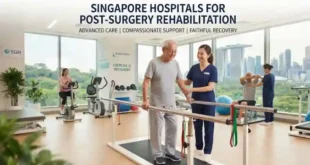
After treatment, hospitals provide rehabilitation services. Therapists help patients regain strength and mobility. Follow-up care monitors recovery and prevents complications. Regular check-ups ensure patients stay healthy. Support continues until full recovery or long-term management.
Technology In Integrated Care
Technology plays a key role in integrated care at Singapore hospitals. It helps connect preventive and curative services for better patient outcomes. New tools and systems improve how doctors and patients communicate. They also make healthcare faster and more accurate.
Hospitals use advanced technology to manage health data and monitor patients remotely. Artificial intelligence and data analytics guide doctors in making better decisions. These innovations support a smooth, continuous care experience for everyone.
Electronic Health Records
Electronic Health Records (EHR) store patient information in one place. Doctors can access medical history instantly. This helps avoid repeated tests and errors. EHR also allows easy sharing of information among different specialists. It keeps patient data secure and up to date.
Telemedicine And Remote Monitoring
Telemedicine connects patients and doctors through video calls. It reduces the need to travel to hospitals. Remote monitoring devices track vital signs from home. This alerts doctors to any health issues early. Patients receive timely care without leaving their houses.
Ai And Data Analytics
Artificial Intelligence (AI) helps analyze large health data quickly. It finds patterns to predict diseases and suggest treatments. Data analytics supports personalized care plans. Hospitals use AI to improve diagnosis accuracy and speed. This technology makes care more efficient and patient-focused.
Benefits For Patients
Singapore hospitals with integrated preventive and curative care offer many benefits to patients. This approach focuses on keeping patients healthy and treating illnesses quickly. Patients receive complete care that supports their well-being over time.
Improved Health Outcomes
Patients enjoy better health through early detection and treatment. Preventive care helps catch problems before they get worse. Continuous monitoring and follow-ups reduce risks of complications. This leads to faster recovery and fewer hospital visits.
Seamless Care Experience
Care is coordinated between different health professionals and departments. Patients do not need to repeat tests or explain their history multiple times. Appointments and treatments are scheduled smoothly. This reduces stress and saves time for patients.
Cost Efficiency
Integrated care lowers overall medical expenses for patients. Preventive measures reduce the need for expensive treatments. Early treatment avoids long hospital stays and costly procedures. Patients spend less on healthcare while getting better results.
Government Initiatives
Singapore’s government plays a key role in supporting hospitals that combine preventive and curative care. The focus lies on policies, funding, and partnerships. These efforts aim to improve health outcomes and reduce illness.
Health Promotion Policies
The government creates policies to encourage healthy living. Programs target smoking cessation, exercise, and nutrition. These policies help reduce risks before diseases start. Hospitals follow these guidelines to offer better care.
Funding And Support Programs
Funding is available for hospitals to develop integrated care. Support programs help with training and technology upgrades. This financial aid allows hospitals to expand prevention services. It also improves treatment quality and patient experience.
Collaboration With Healthcare Providers
Government encourages hospitals to work with clinics and specialists. This teamwork ensures patients receive continuous care from prevention to treatment. Sharing information between providers helps catch problems early. Patients benefit from smoother, coordinated care paths.
Future Trends In Healthcare
The future of healthcare in Singapore hospitals is shifting rapidly. Hospitals now combine preventive and curative care to improve patient outcomes. This approach looks beyond treatment to keep people healthy. Emerging trends promise better health services and patient experiences.
Personalized Medicine
Personalized medicine uses patient data to tailor treatments. Each person receives care based on their genes, lifestyle, and environment. This method helps doctors choose the best medicine and avoid side effects. It moves away from one-size-fits-all care to more precise treatment.
Integrated Community Care
Integrated community care connects hospitals with local services. It supports patients outside the hospital with check-ups and health education. This care reduces hospital visits and helps patients manage chronic diseases. Community health workers play a key role in this system.
Sustainability In Healthcare
Hospitals focus more on sustainability to reduce waste and energy use. Green buildings and eco-friendly practices help protect the environment. Sustainable healthcare lowers costs and improves public health. It ensures resources remain available for future generations.
Frequently Asked Questions
What Is Integrated Preventive And Curative Care?
Integrated care combines prevention and treatment services in one system. It helps detect diseases early and provides continuous care. Singapore hospitals use this approach to improve patient outcomes and reduce healthcare costs effectively.
Which Singapore Hospitals Offer Integrated Healthcare Services?
Major hospitals like Singapore General Hospital, Tan Tock Seng Hospital, and National University Hospital provide integrated preventive and curative care. They offer screenings, vaccinations, and specialist treatments under one roof for comprehensive patient management.
How Does Integrated Care Benefit Patients In Singapore?
Integrated care ensures timely diagnosis and coordinated treatment plans. It reduces hospital visits, enhances patient convenience, and promotes healthier lifestyles. This holistic approach improves recovery rates and overall patient satisfaction in Singapore’s healthcare system.
Are Preventive Screenings Available At Singapore Hospitals?
Yes, Singapore hospitals offer routine preventive screenings for common diseases. These include cancer screenings, cardiovascular risk assessments, and diabetes checks. Early detection through screenings helps in timely intervention and better health outcomes.
Conclusion
Singapore hospitals combine prevention and treatment for better health. Patients receive full care in one place. This approach saves time and reduces stress. Health teams work closely to catch problems early. It helps people stay healthier longer. Choosing such hospitals means smarter care choices.
The focus stays on your well-being every step. Integrated care supports healthier lives for everyone.